The Baltic cruise in autumn: what September and October sailings look like compared to July
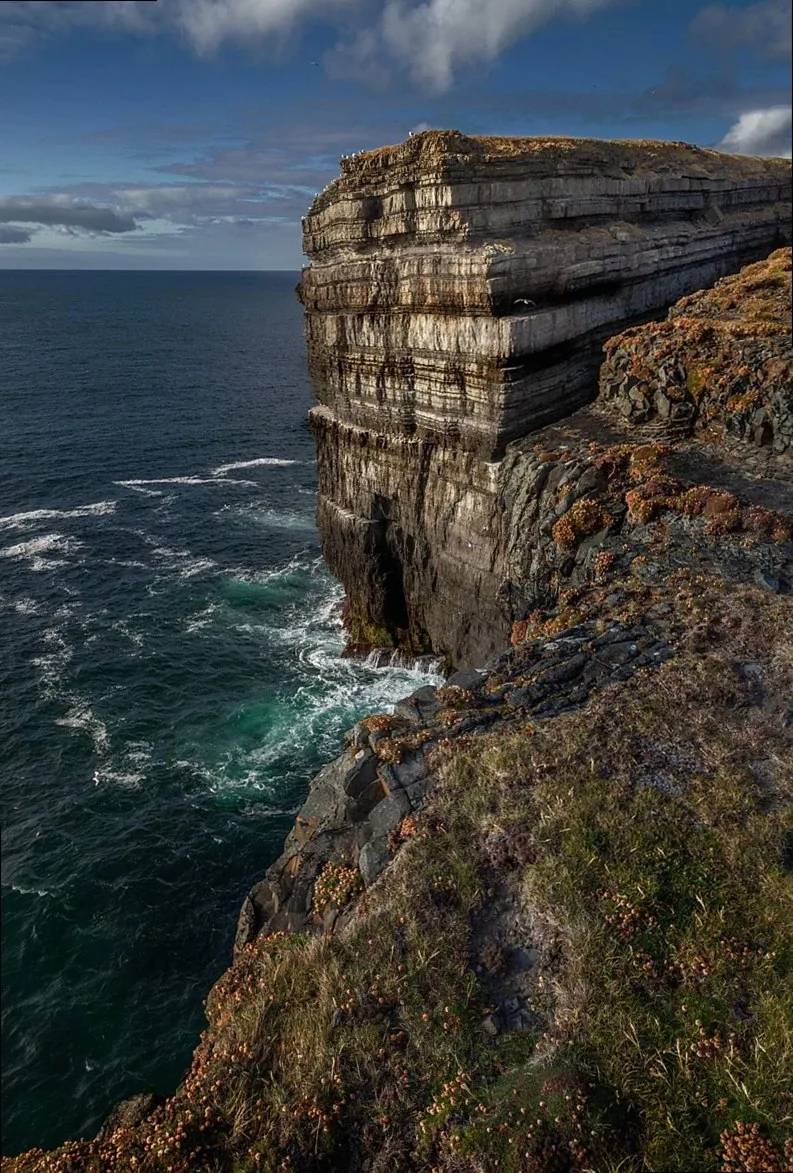
The most common mistake Baltic cruisers make is booking the corridor for mid-July and assuming that timing is simply the default correct answer. It costs them real things: queues of forty minutes at Gamla Stan's Stortorget, a Tallinn Old Town so dense with tour groups that the medieval street geometry becomes meaningless, and a Kronborg Castle in Helsingør where the audio guide competes with six other audio guides playing simultaneously within arm's reach. The price premium for July departures from Copenhagen can run 30 to 45 percent above early-October equivalents on the same vessel, and that differential buys a demonstrably worse experience of the same ports. What September and October actually deliver on this route is worth examining in detail, because the seasonal logic of the Baltic is counterintuitive in ways that most itinerary planners, and many travel writers, still get wrong.
The Crowd Arithmetic of Peak Summer and What Actually Changes by September
July on the Copenhagen–Stockholm corridor means the route is serviced simultaneously by the largest volume of Scandinavian domestic tourism, Central European school-holiday travel, and the peak deployment of large cruise vessels. Tallinn, which receives roughly 800,000 cruise passengers per year, concentrates a disproportionate share of those arrivals into an eight-week window between late June and mid-August. The Old Town's UNESCO-listed lower city covers about 1.2 square kilometres. When three large ships dock on the same morning — a routine July occurrence — the arithmetic of bodies per cobblestone becomes genuinely punishing. The experience of Alexander Nevsky Cathedral, the Town Hall Square, and the medieval pharmacy on Raeapteek Street shifts from contemplative to logistical.
By the second week of September, Tallinn's cruise calendar thins noticeably. The Estonian school year restarts in early September, which removes a significant slice of domestic day-visitor traffic from the old city at the same time the cruise volume drops. Stockholm's Gamla Stan follows a similar pattern. The narrow lanes between Österlånggatan and Prästgatan — normally a bottleneck of competing walking tours in July — become navigable again. This is not a marginal difference. The experiential gap between a July morning in Gamla Stan and a mid-September one is wide enough to reconsider the entire premise of a summer Baltic sailing if the cultural texture of the ports is the actual objective.
Daylight Hours: The September Arithmetic Is More Forgiving Than Most Travellers Assume
The instinct to associate longer days with better cruising is understandable but imprecise when applied to the Baltic specifically. Stockholm in July has around 18 hours of usable daylight, which sounds like an obvious advantage. In practice, the far-northern light in late June and July produces a flat, washed-out midday quality that photographers working in Visby or Helsinki consistently describe as difficult — the sun stays high and harsh for hours, and the low-angle golden light that makes Scandinavian coastal towns look like themselves appears only briefly near midnight, when nothing is open.
September changes the geometry. Stockholm on the 15th of September has roughly 13 hours between sunrise and sunset, with the sun rising around 6:20 and setting around 19:30. That is still a generous port day by any European standard. More usefully, the light in September drops to a workable angle by mid-afternoon, which means the brick facades of Tallinn's Toompea Hill and the copper roofs of Copenhagen's Nyhavn district photograph as they appear in travel magazines — with actual shadow and warmth — during normal touring hours rather than at 11pm. October compresses daylight further, to around 10 to 11 hours in Stockholm by the month's end, which requires more deliberate port-day planning but still accommodates a full cultural itinerary.
The practical implication for itinerary design: September sailings allow a relaxed morning start, a full afternoon of site visits in good photographic light, and an evening return to the vessel before genuine darkness. October requires slightly tighter scheduling in the afternoons but compensates with empty streets, museum queues that barely exist, and restaurant tables in Helsinki and Riga that do not need to be booked six weeks in advance.
Weather Patterns on the Baltic in Autumn: What the Data and Local Experience Actually Show
The weather objection is the most frequently raised and the least carefully examined. The Baltic Sea is an enclosed, relatively shallow body of water, and its autumn weather patterns differ meaningfully from Atlantic-exposed routes. September sea state is generally mild. Average wave heights in the central Baltic in September sit between 0.8 and 1.5 metres, comparable to July conditions and considerably calmer than the North Sea approaches some passengers transit to reach Scandinavian ports. The crossing between Tallinn and Helsinki — at 85 kilometres, one of the shorter legs on any Baltic itinerary — remains smooth enough in September that even passengers with moderate sea-sickness sensitivity rarely report difficulty.
October introduces more variability. Storms do move through, typically tracking northeast across the Gulf of Finland or down from the Norwegian Sea. But cruise operators running this corridor in October route with that variability factored in, and itinerary adjustments — substituting Rügen or Bornholm for a Baltic weather day, for instance — are relatively minor inconveniences rather than the voyage-altering disruptions that Atlantic autumn crossings can produce. Average air temperatures in Stockholm and Copenhagen in October run between 7°C and 13°C, which is coat weather, not hardship. The rain risk in Copenhagen specifically is roughly similar across July, September, and October — Copenhagen averages around 65–70mm of rainfall in each of those months — so the autumn argument is not primarily a weather argument at all.
The Baltic in October is not inhospitable — it is simply honest about being autumn, and that honesty suits the ports.
The Specific Case for the Copenhagen-to-Stockholm Corridor Outside Summer
The Copenhagen–Stockholm sailing typically threads through Helsingør, Visby on Gotland, and either Tallinn or Helsinki depending on the operator, before approaching Stockholm through the Stockholm Archipelago. That final approach — through the 30,000 islands and skerries of the skärgård — is the corridor's most distinctive feature and the one most affected by seasonal timing. In July, the archipelago is dense with recreational boat traffic: Swedish summer cabin culture means the waterways between Sandhamn and Vaxholm are busy in a way that makes the approach feel sociable but crowded. In late September and October, the cabin season has closed, the leisure fleet has returned to harbour, and the approach to Stockholm through the skärgård is genuinely quiet — birch and rowan trees in early colour, the water grey-green and still, the wooden boathouses shuttered.
Visby, the medieval Hanseatic town on Gotland and the corridor's most singular port stop, undergoes its own transformation after summer. Medieval Week in Visby falls in early August and draws around 40,000 visitors to a town of 23,000 permanent residents. By September, the population has restabilised. The ring wall, the 13-century Saint Nikolai church ruin, and the rose gardens behind the Cathedral of Santa Maria are accessible without a surrounding crowd. Gotland's landscape in September — the limestone alvar grasslands, the sea stack formations at Langhammar — turns the kind of pale gold that explains why the Swedish artist community has been coming to the island since the late 19th century.
For the corridor as a whole, the case for September and October is not that summer is wrong but that peak summer has been optimised for volume rather than experience. The ports, the light, the sea conditions, and the pricing structure all align more favourably for a certain kind of traveller — one who treats the itinerary as a cultural programme rather than a checklist — in the weeks after the school holidays end. The Duff Core Blend editorial position on this route is straightforward: if the Baltic cities are the point, September is the month.
The Baltic corridor in autumn repays the decision to wait. September and October sailings on the Copenhagen-to-Stockholm route are structurally different experiences from their July equivalents — quieter, cheaper, photographically richer, and in many cases more true to what these cities actually are when they are not performing for peak tourist season. If the seasonal comparison raises questions about a specific itinerary or departure window, the Морской Горинт editorial team is glad to correspond.